
When the Covid 19 Lockdown started I thought, “Great! I have all of this time to catch up reading TBR books.” However I could not concentrate and from reading news items, magazine articles and other blog posts I see I wasn’t alone.
I started books. I started several books but couldn’t get past more than 20 pages or so. The mood left and I’d switch to something else. Then I just read other, shorter things. I read magazines, I studied photography you tube videos. I read articles in the Guardian. I read everything except the back of cereal boxes and books on my shelf.
For the past couple of weeks I have been revisiting those discarded tales and finishing them. Travel writing held my interest more than anything else. I notice non fiction also appealed more than fiction. It kind of feels like we’re living in fiction and I think reading non fiction makes me believe all is right with the world. Weird type of reasoning.
So I finished this little Kindle story I downloaded for next to no cost as I liked the idea of an older person (man in his 60’s) walking the Via Francigena pilgrimage in Europe. This walk begins in Canterbury, England and ends in Rome, Italy.
A Hobart couple did this walk last year and I enjoyed following their walk on Instagram very much. They have also done some talks about it in the community once returned. Unfortunately I wasn’t able to get to the one I had planned.
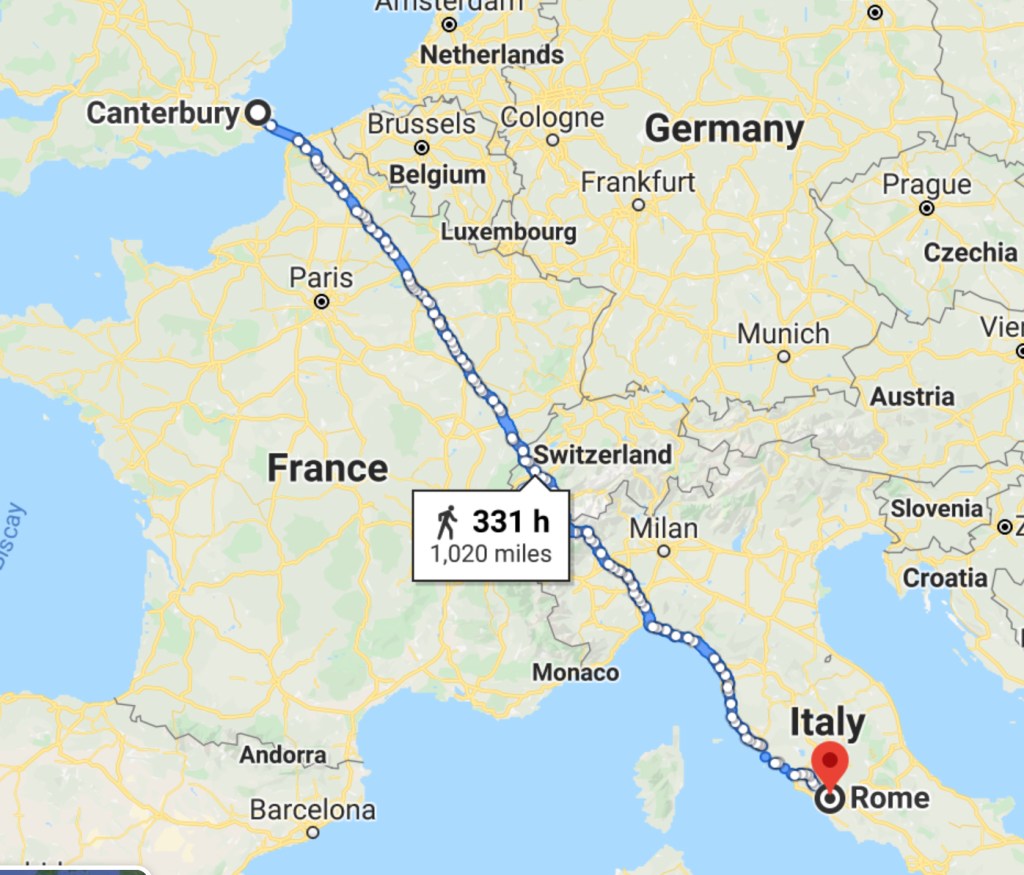
The name of the books I am referring to is Over the Hill and Far Away: Recollections of an Older Person’s Pilgrimage from Canterbury to Rome written by Roger Harland.
Mr. Harland is a New Zealander who is quite religious and he had a desire to do this pilgrimage for quite awhile. He and his wife decided he would do it and she would then meet him two months later in Rome.
In my mind he is a little guy wearing a very serviceable hat with his blue backpack on his back. He carries a hiking pole. What stands out the most in this story is how often he gets lost. He almost doubles the miles of walking because he back tracks so much. He is always lost. If the trail goes to the right, he goes left. If he is to climb a hill he manages to find the down slope. It amazes me he actually makes it.
The only language he speaks is English. That creates a few difficulties in France and Italy. A few people lost patience with that.
He stayed in hostels and convents, most of the time with much younger travellers than he is. I enjoyed seeing how often the young people helped him out when he needed it.
The grumpiest people he met along the trail were the priests and some of the nuns in the convent accommodations. Their lack of patience and the amount of eye rolling they did actually surprised me. However there were a couple of nuns that were lovely and did help him when needed.
He often bought food in shops, ate in cafes and enjoyed getting his lunch and eating it in town squares with the locals (though there weren’t many he could converse with) in smaller villages.
This book is a fairly quick read. He didn’t have anything terrible that happened to him and his descriptions of the trail and accommodations were embraced by this reader. He also had quite a history of the European wars of the past and he always made sure he visited and discussed the monuments and plaques he came across. He would give a brief discussion about the history of those places and what the monument meant to the locals. I found that interesting.
He would also make a point of visiting all of the small churches and a few cathedrals he came across. He enjoyed walking around the buildings, looking at their structure and would look at photographs, stained glass windows and anything else specific to the location. He attended a few services when he happened upon them.
He always bought paper maps in every village or received them from tourist information offices. He enjoyed a glass of wine at the end of the day and he carried a tablet to use in cafes that had free wi-fi.
It is an enjoyable read and he did an excellent job of completing the walk. You could feel the pride and confidence in himself once he finished this life goal.
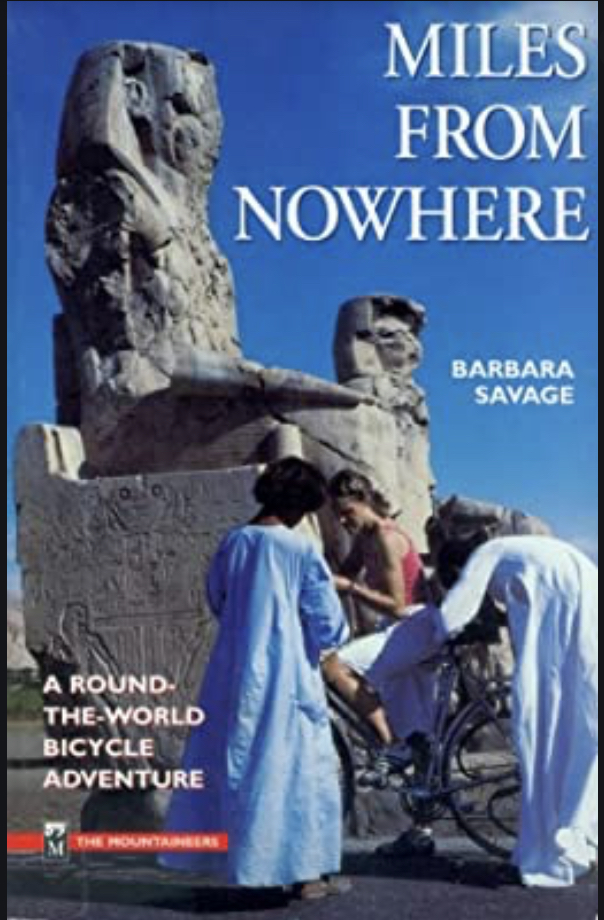
I would recommend it as an enjoyable read though not as heart stopping as the travel book I wrote about in my last post.



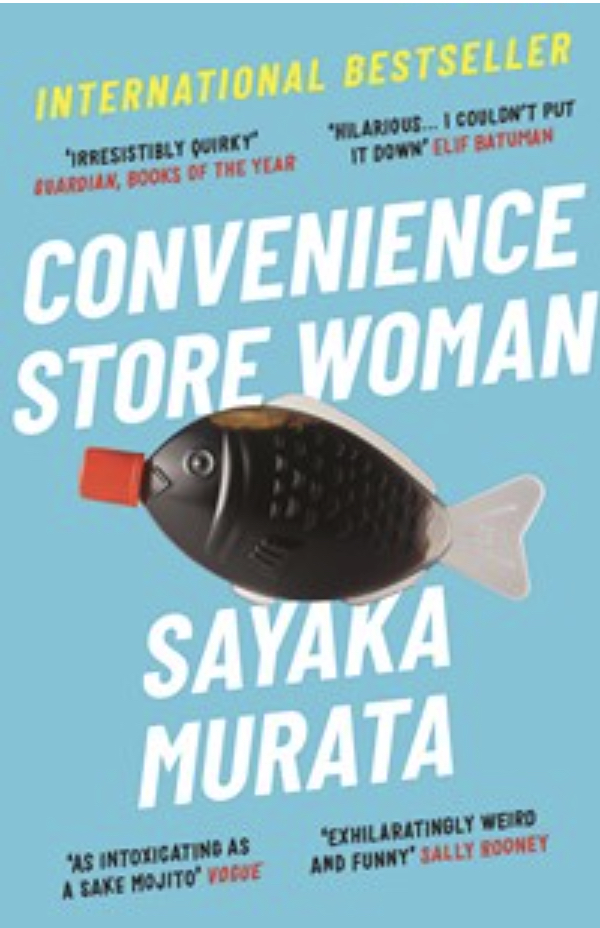 and although she is not fitting societal norms of what a woman is supposed to be like in Japan she manages to come to terms with it, finding her own place in the world and continuing onwards. It is an unusual story and one learns about more of the expectation upon women in Japan. She defies the traditional norms and succeeds wonderfully in getting to accept who she is and what she wants out of life, as simple as it is. I really enjoyed it.
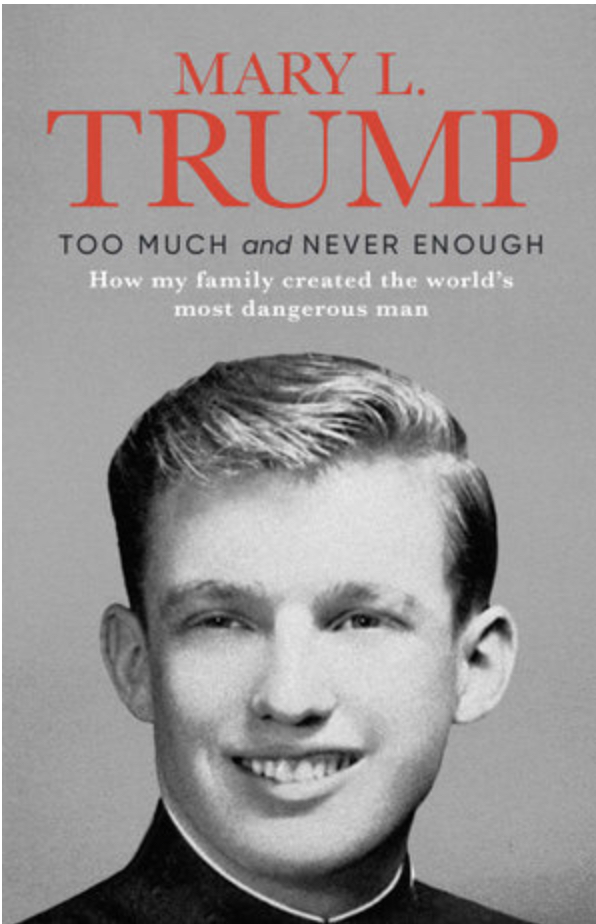 Her description of the family and especially the patriarch Fred Trump, (Donald’s father) and the siblings of Donald are as objective as one in that position can possibly be. After reading how Fred treated all of his children it is no wonder Donald is as he is. It certainly helps one to understand him but it doesn’t make me like him any better. He is a very damaged man and that is apparent to most people in this world. I am glad I read it and I liked the author very much.
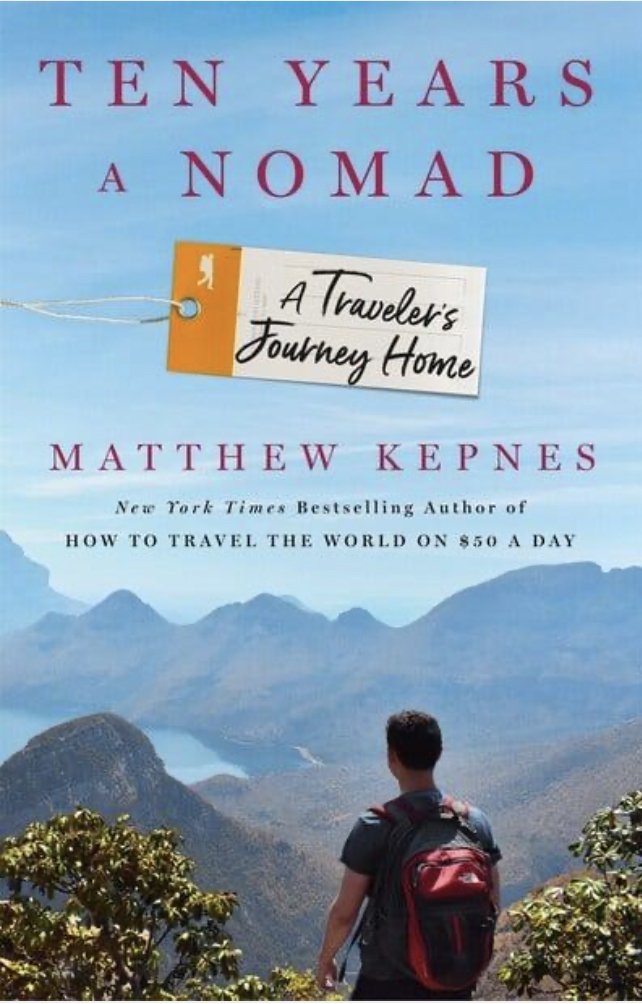 do is that when one returns from an extensive trip nobody takes any interest in it. Questions aren’t really asked and instead family are more interested in what you had for dinner last night or have you seen such and such on Netflix. Friends often say, “Did you have a good time?” and that is the end of the conversation. The author explains this is his experience also and he can’t get over how life just on as normal as if he was never away.
 Travellin' Penguin