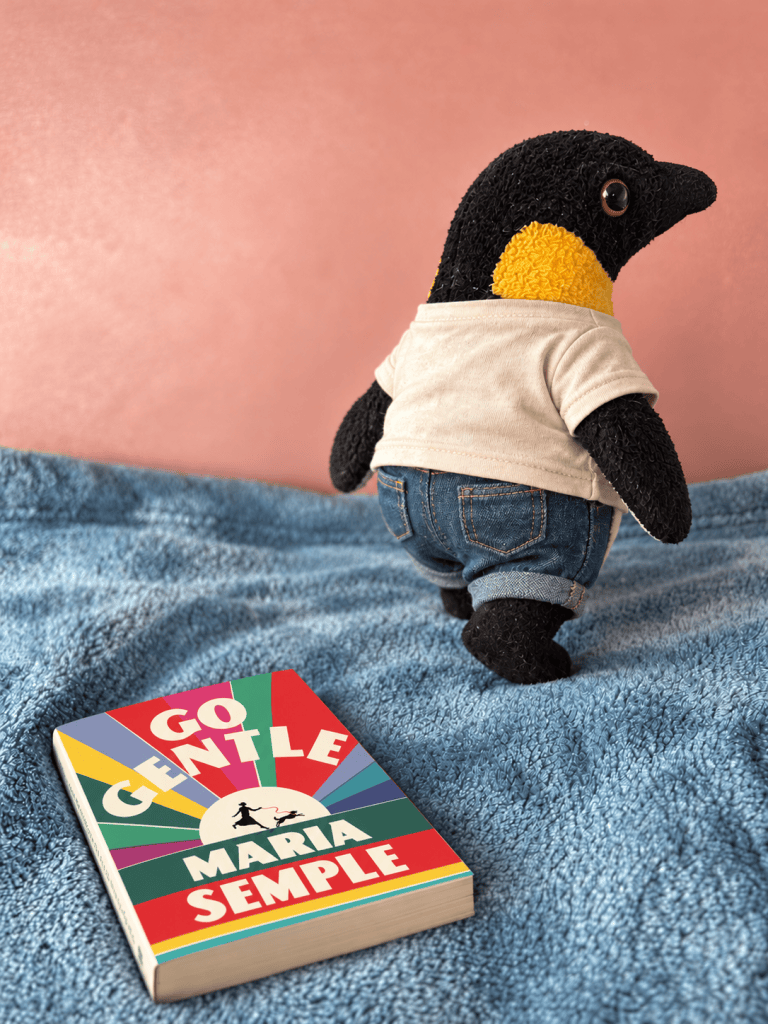

I thought the Penguin and I would drop by today just to talk about our relaxing day. What is happening today?
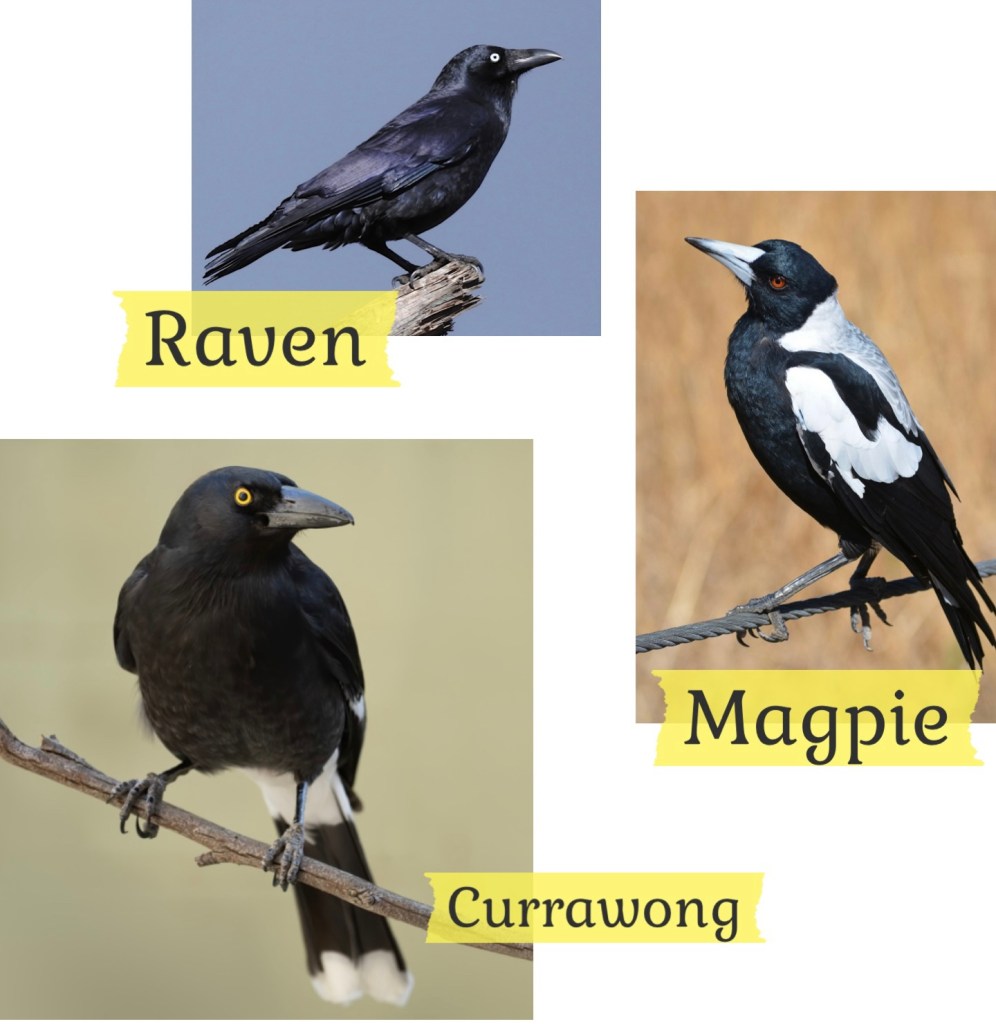
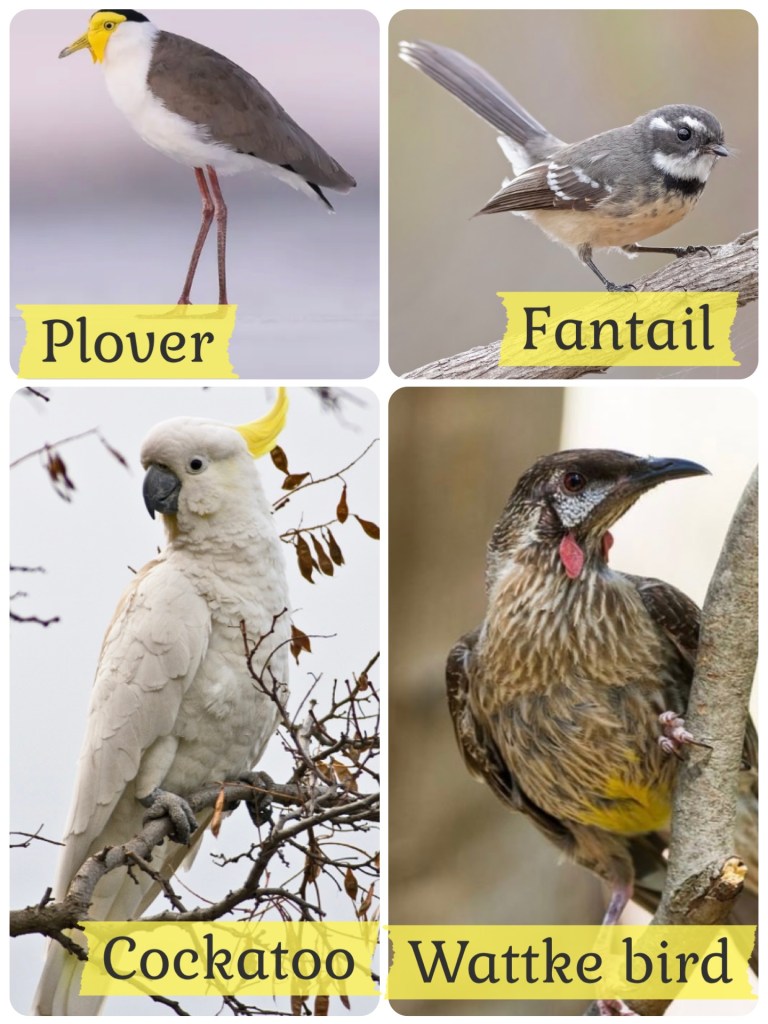
Ollie and I started the day sitting outdoors doing the annual Aussie Bird count. Each year volunteers across the country are asked to sit outdoors at a time of their choosing for 20 minutes for 5 days, if possible. There is an app to download and on it the observer simply records any birds they see or hear in that 20 min. At the end of 20 min., the app stops and the list of birds is uploaded to a national data base. I have participated in this event for several years each spring. Today I saw/heard the Australian magpie, a raven, a currawong, a wattle bird, a grey fantail and a sulphur crested cockatoo and a plover. Plovers can be nasty especially if they have chicks. They have a spur on their feet and they know how to use it. I heard a couple of others but was unable to identify them.
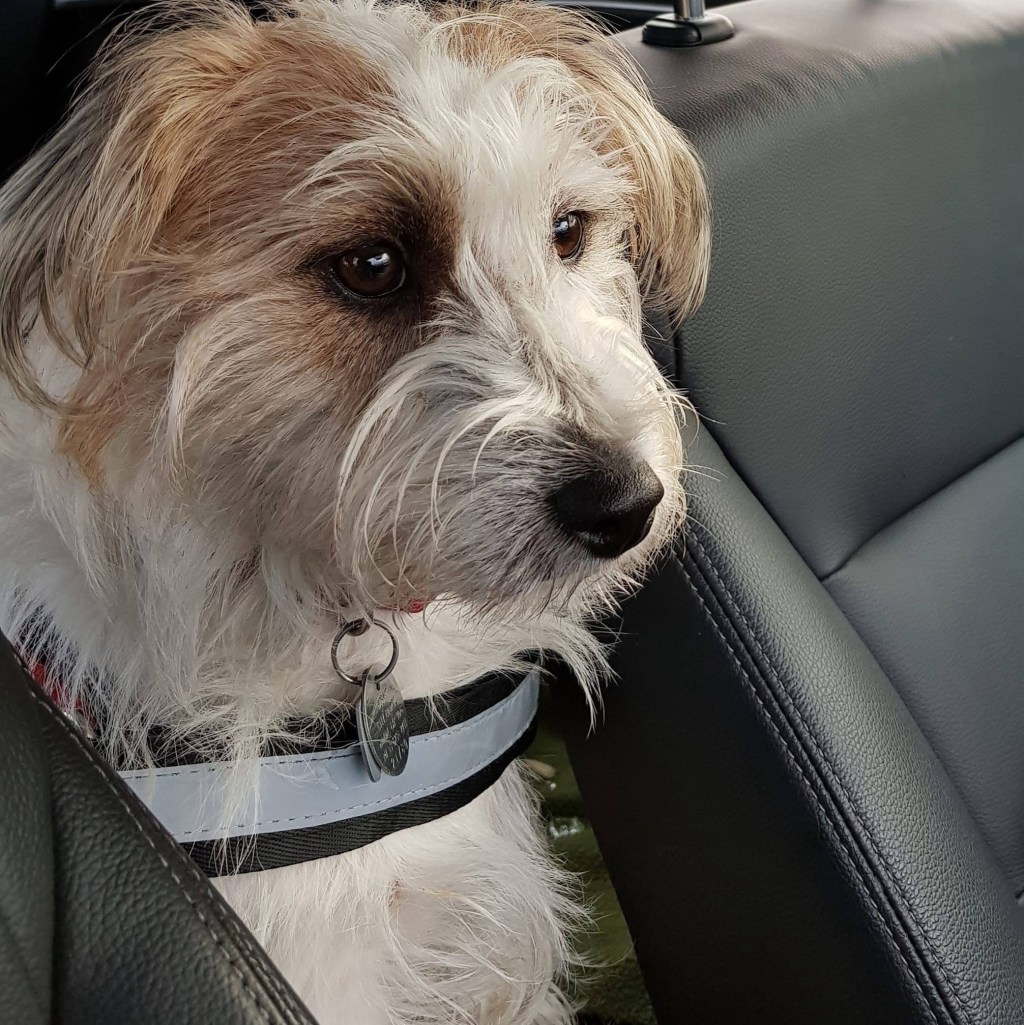
Ollie enjoys sitting outdoors as he is such a little nature boy. We try to get him out of his pen regularly. He is so good natured.
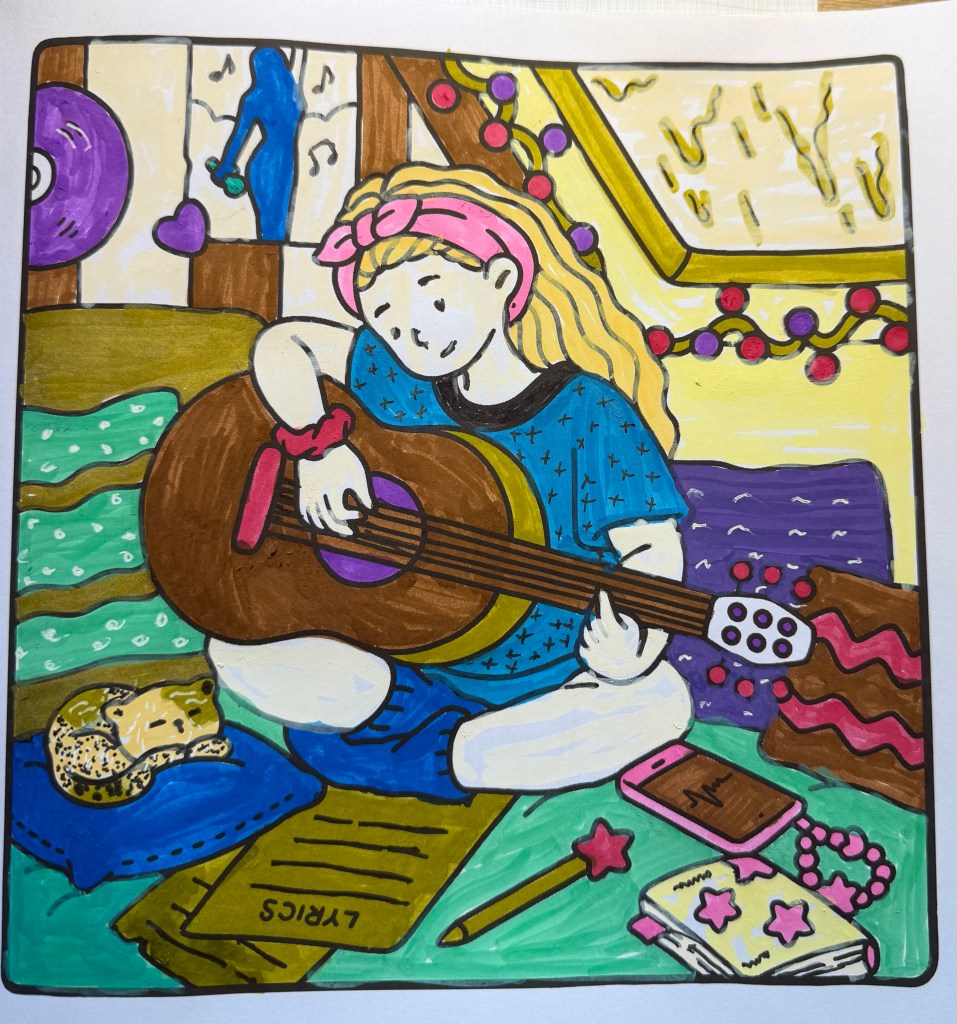
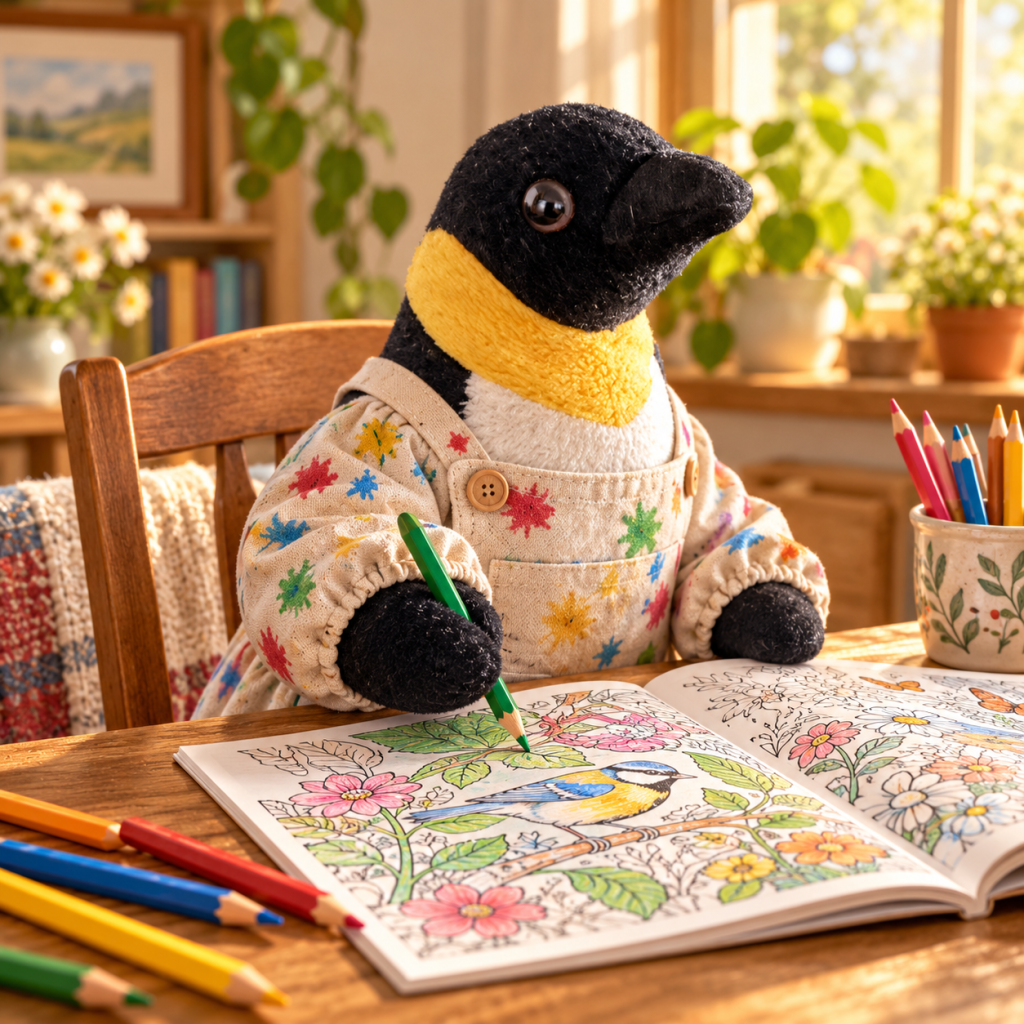
Then I did some journaling. Penguin and I even got out the acrylic markers and coloured a page in our cozy colouring book. I find it really calms the mind.
Yesterday I began a new program at the gym that is all about building strength. Lots of weights so I’m a bit sore today. I need a bit of rest after my gym days. I’ve not been good at going regularly lately and I am going to get back into it. I feel so much better when I do. I need to work on my balance as I fell over twice on my Tarkine photography trip. I felt like a turtle on its back, waving legs in the air. I think it’s the lack of some depth perception from my vision and old age. Just need to keep moving.
I’m back at the gym again tomorrow.
It’s 27 degrees C today. (80.6 degrees F). Just a beautiful day with windows open and little wind. No wind is one big juicy bonus for Tasmania.
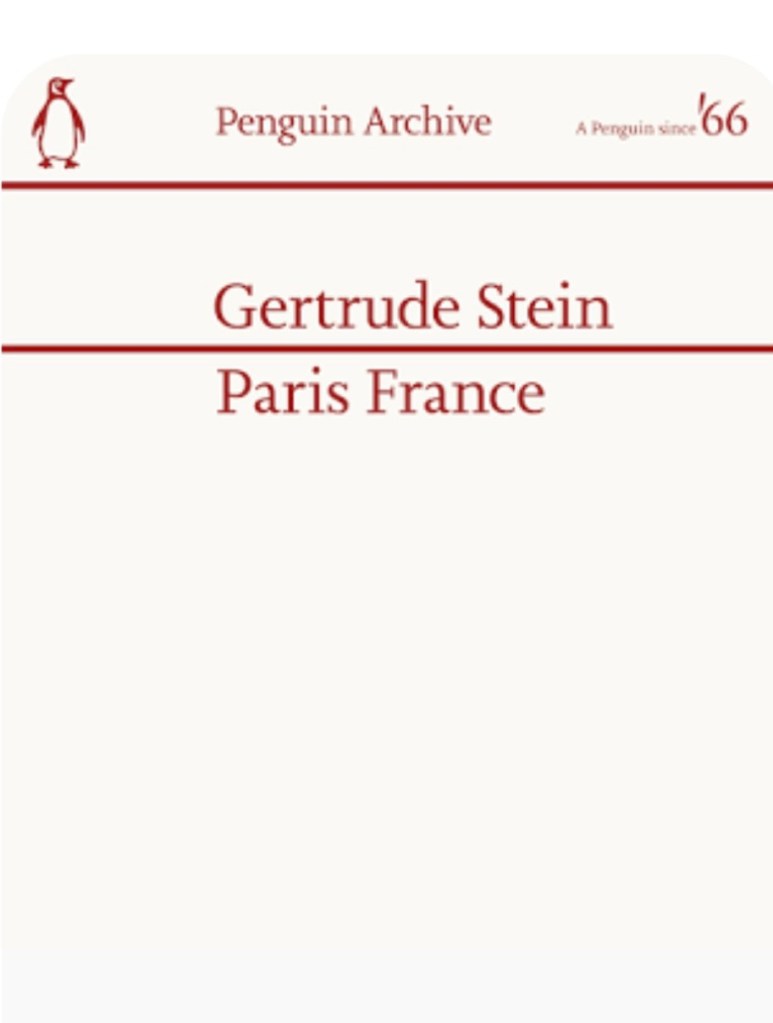
I also randomly selected my next book for the Penguin anniversary books challenge. The ‘picker’ picked an Penguin Archive book. Paris France by Gertrude Stein. It was published in 1940 on the day Paris fell to Nazi Germany. It states it is a witty account of Stein’s life in France, and the perfect introduction to her work. Yesterday
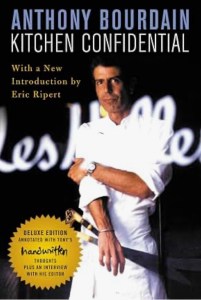
I also spun the wheel for my spin challenge and read one hour of Kitchen Confidential by Anthony Bourdain. He talked about growing up in France after his parents moved there. He was a rough as guts child and quite hard to manage . He did read a lot and his very favourite was all the Tin Tin books and magazines. His parents would spend hours eating in fancy French restaurants and the two brothers would spend that time reading Tin Tin in the car as they were too naughty to take inside. I am looking forward to the next hour with this book.
Well, this little stop in to say “Hello” is over and I’m going to go read a bit. I’ll catch all of you later. I hope your week has started off in good form. Feel free to let me know how you’re going. More later……
MINE